.jpg?h=67%25&w=50%25)
Q: Can you tell us about the inspiration behind starting Herbal Kulen and your mission to halt the exploitation of nature?
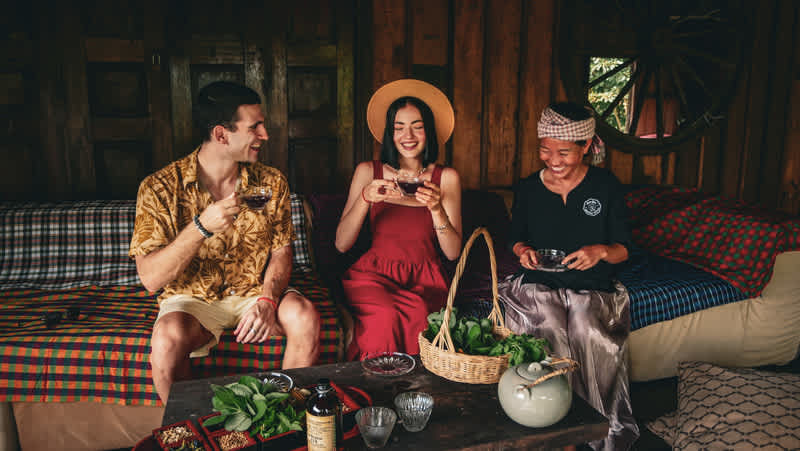
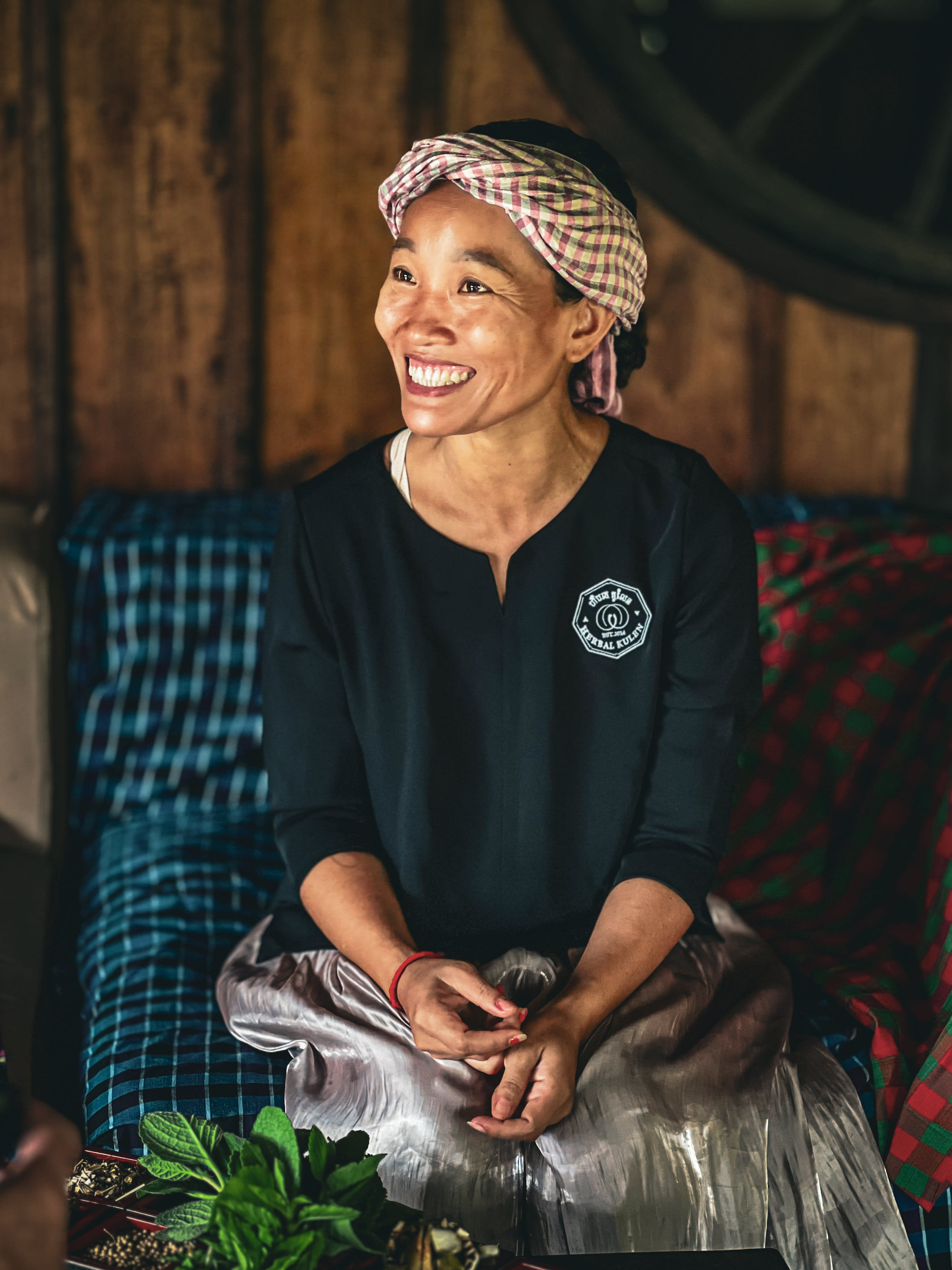
Pari: Our journey started at Beng Mealea, where the serene landscape inspired us to establish Herbal Kulen at the foothills of Phnom Kulen. Determined to revive a deforested land, we began cultivating lemongrass and citronella, marking the beginning of our venture into producing lemongrass essential oil. Each drop narrates our commitment to sustainability and the rejuvenation of the environment.
Q: You now make your own gin, what makes it so special?
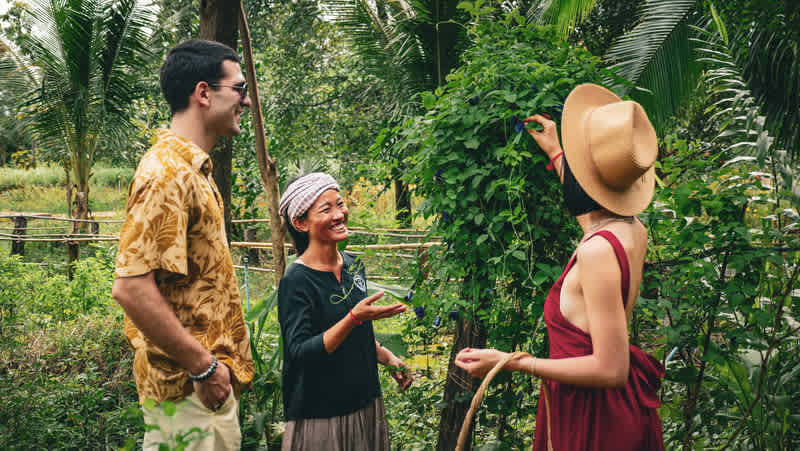
Pari: Our gin holds a unique intention that sets it apart from other gins. In our medicinal forest garden, we cultivate the botanicals for our craft gins, carefully selecting each plant, spice, and root. Distilled in small batches of 180 bottles, this meticulous process allows us to uniquely express the herbal fragrance, paying homage to the spirit of Cambodia.
Q: Which is your favourite Herbal Kulen Gin cocktail at Scribe Bar, and why?
Pari: That's a difficult question as they're all so delicious, but if I had to choose, I'd say the Cambodian Negroni with Herbal Kulen Gin, sweet vermouth, and Campari, and also the Apsara Sour, with Herbal Kulen Gin, butterfly pea tea, lemongrass syrup, and lime juice. The Cambodian Negroni is a classic find, whereas the Apsara Sour pays tribute to the region's herbs and botanicals.
Q: How does working with FCC Angkor by Avani contribute to your project's goals?
Pari: Teaming up with FCC Angkor by Avani is a nostalgic return to Siem Reap's roots. Sipping my Cambodian cocktail at Scribe Bar, I'm transported through time by the ancient trees and historic architecture, reliving the days when the hotel served as the French Governor's residence. The proximity of FCC to the river, sourced from the Kulen mountains, creates a tangible connection between our worlds, bringing the best of nature's bounty to travellers from across the globe, which is ultimately our goal.